
15.01.2026
The President of Ukraine has signed the Law of Ukraine “On Mentoring” No. 13200, which establishes the legal and institutional framework for systemic support for children and young people in difficult life circumstances. The law enters into force in six months, with the countdown beginning on January 14, 2026.
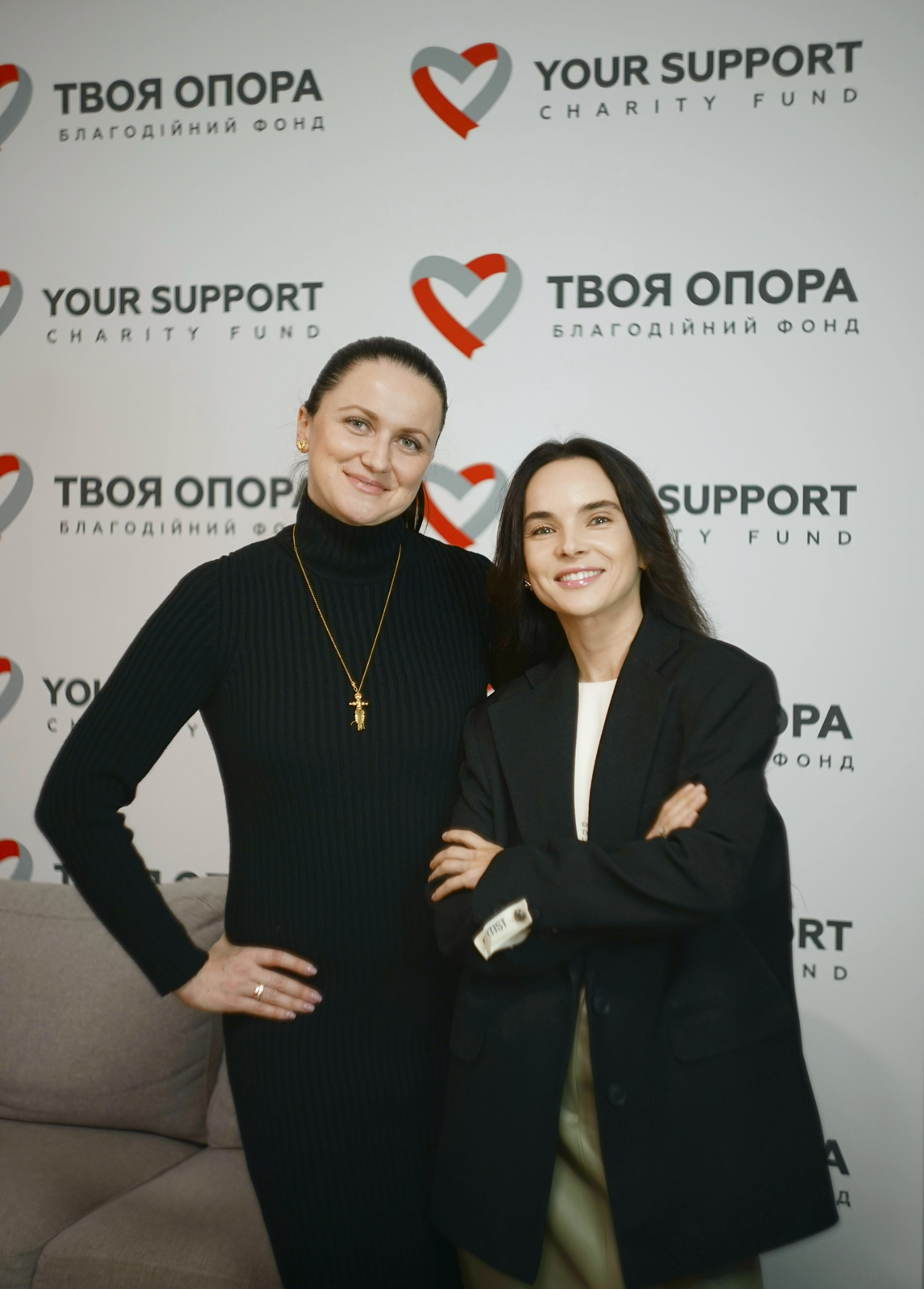
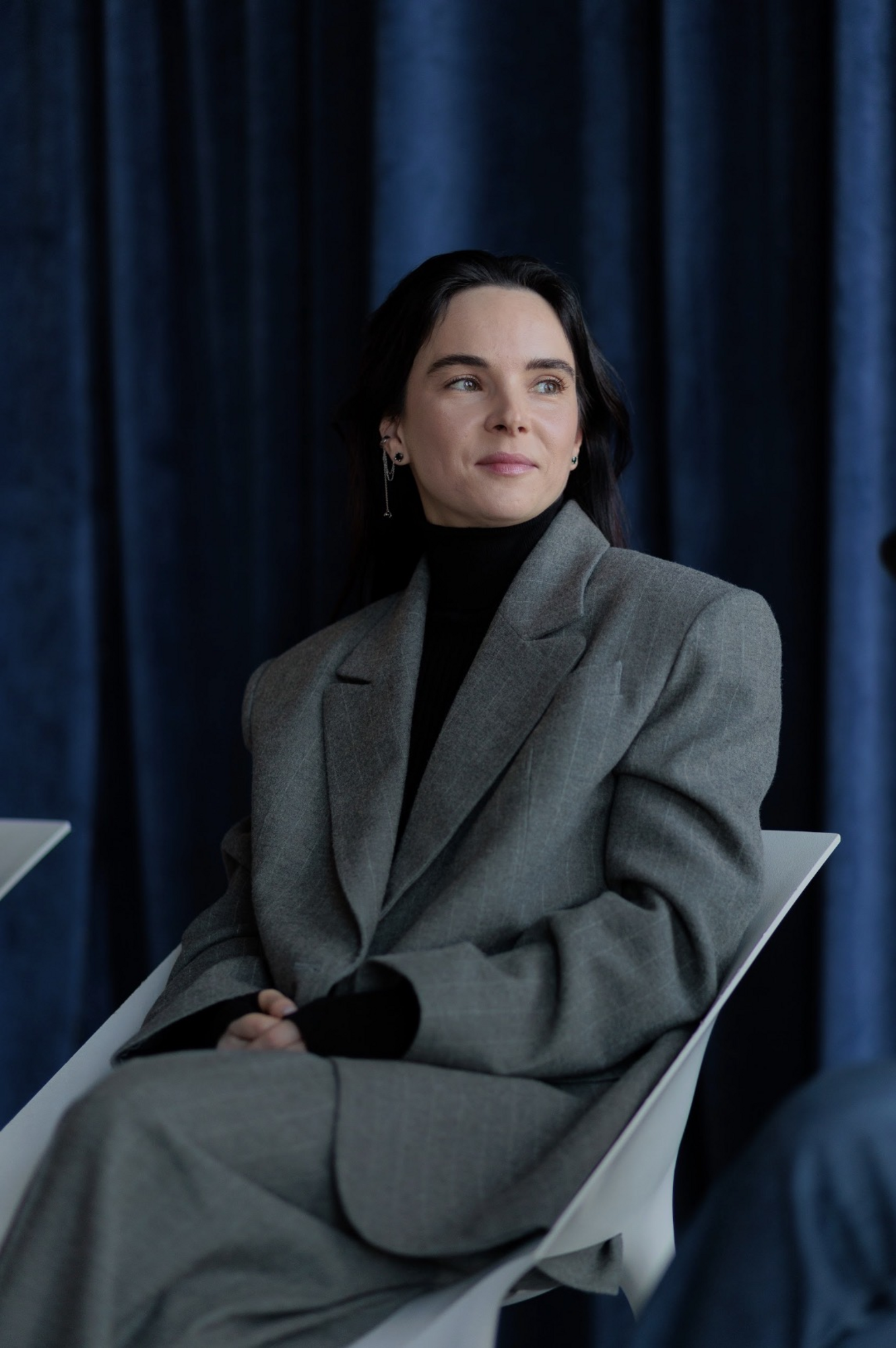
One of the initiatives that preceded the adoption of the law was the project “Mentoring – Your Support”, launched in December 2024 by the charitable foundation “TVOYA OPORA”. The project’s ambassador became public figure Inna Miroshnychenko. It was aimed at supporting teenagers from residential institutions and preparing them for independent living through regular interaction with responsible adult mentors.
Unexpectedly for the organizers, the number of people willing to become mentors in Kyiv and the region exceeded 500. However, the existing mentoring model defined by Ukrainian legislation did not allow them to fully take advantage of this opportunity.
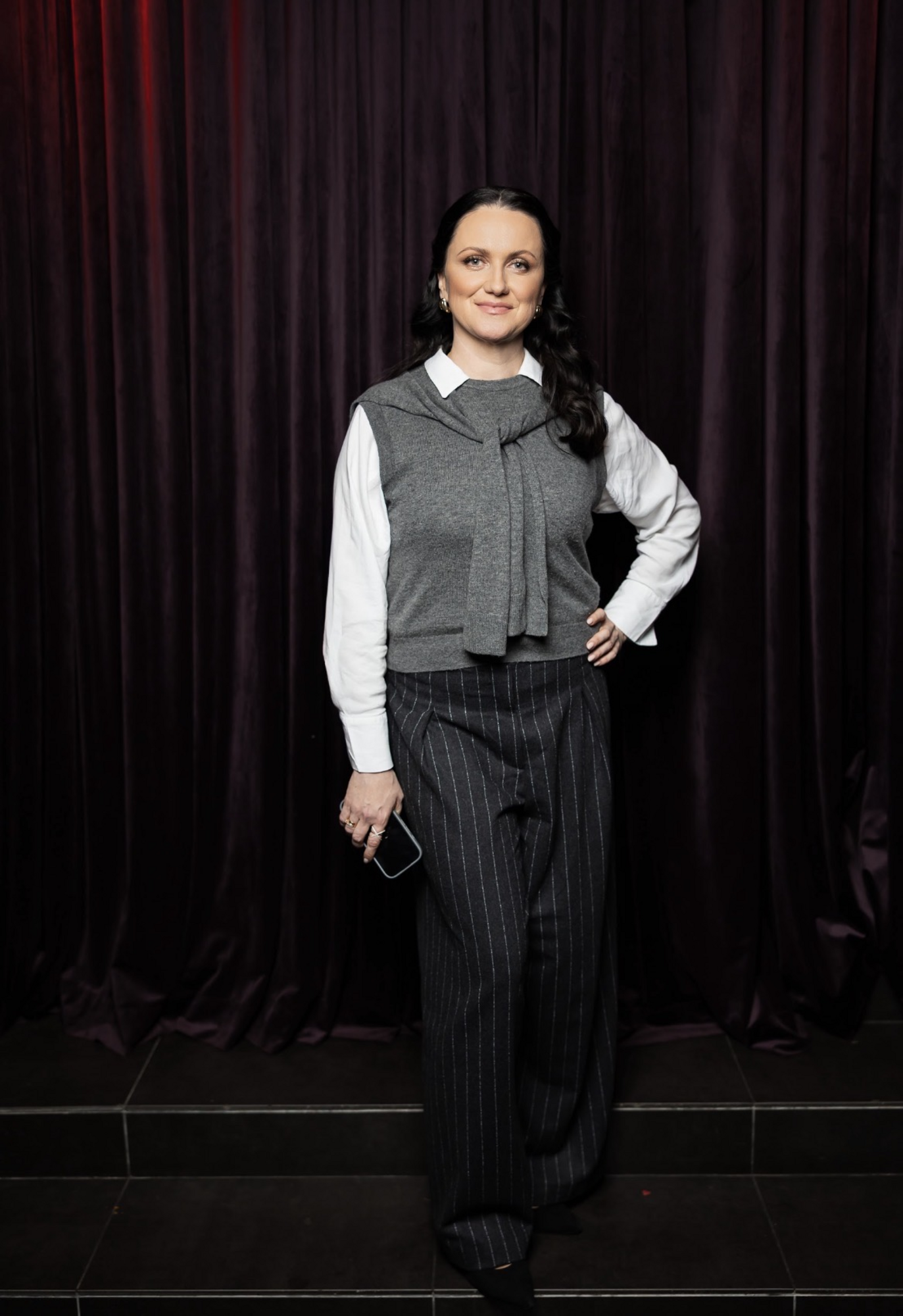
Thanks to the initiative of Members of Parliament led by Olena Shuliak and the Cabinet of Ministers of Ukraine, amendments to the Law were proposed. Inna Miroshnychenko and Valeria Tatarchuk, founder of the “TVOYA OPORA” foundation, joined the working group that developed draft law No. 13200, together with project partner Nataliya Ibragimova, Director of the Kyiv Regional Center for Social Services. The group’s work focused on creating clear rules, standards, and mechanisms for state support of mentoring.
“The development and approval of the draft law took a year. It was a year of intensive group work, which is truly important and groundbreaking in the field of protecting the rights of children and youth.
It is important to clearly distinguish between real and social orphanhood. Tens of thousands of children and young people grow up without adults by their side, and only a small percentage of them have official orphan status. The rest have been left in the shadows for years.
Thanks to the law, we expanded the list of individuals eligible for mentoring. This will allow us to match even more pairs, while continuing to promote the importance of mentoring across regions,” comments Inna Miroshnychenko.
Law No. 13200 significantly expands the circle of individuals who can receive support. It applies not only to orphans and children deprived of parental care, but also to other categories:
• children affected by the war,
• children of internally displaced persons,
• children of fallen defenders,
• youth and young parents facing difficult life circumstances.
The document introduces two forms of mentoring – individual and corporate – and sets requirements for mentor candidates (minimum age of 21, legal capacity, mandatory training), as well as criteria for disqualification from mentoring activities.
“We launched the project ‘Mentoring – Your Support’ as a practical response to a systemic issue – when children in institutional care are left without an adult they can rely on. For us, it was essential not just to offer isolated help, but to demonstrate that mentoring can function as a scalable, controlled, and responsible social model. The fact that the law now expands opportunities for both children and mentors signifies a shift from isolated initiatives to state policy with clear rules and accountability,” notes Valeria Tatarchuk, founder of the charitable foundation “TVOYA OPORA”.
Mentoring is additionally defined as a social service that includes state registration, monitoring, supervision, and identification of responsible providers. These mechanisms are intended to ensure the transition from pilot initiatives to large-scale state practice.
Inna Miroshnychenko notes that the next six months will be crucial for the law, as the Government must adopt a series of regulatory acts enabling its practical implementation. These include procedures for training, matching, and other essential processes.
The implementation of the law depends on the timely adoption of subordinate acts by the Government, primarily the Ministry of Social Policy, Family and Unity of Ukraine. The success of this stage will determine whether mentoring can operate as a fully functional instrument of social policy.


.png)